Other pests
Professional carpet beetle inspection and targeted treatment for homes, landlords and businesses. Source-led control with specialist heat considered where appropriate.

4.9 / 5 on Google



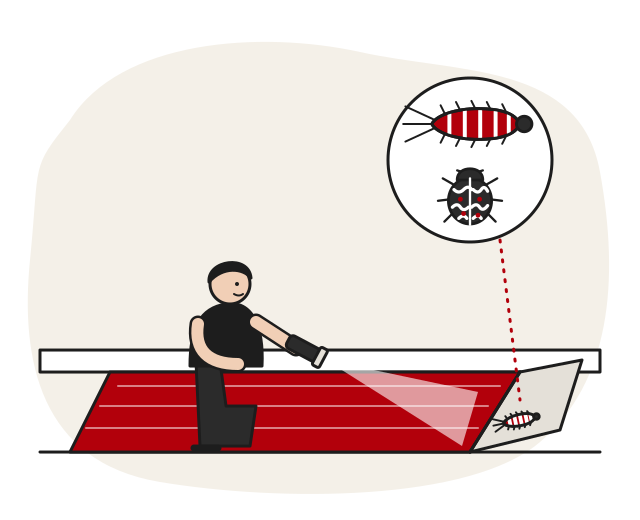
Carpet beetle treatment
Carpet beetle larvae can damage wool carpets, rugs, clothing, upholstery and other materials containing animal fibres. Effective treatment starts with correct identification, locating the source and assessing how far the infestation has spread.
ThermoPest provides professional carpet beetle treatment for homes, landlords and businesses. Our technicians use an Integrated Pest Management approach, combining inspection, source removal advice, detailed cleaning and targeted treatment. Specialist heat treatment may be considered where the infestation and affected materials make it appropriate.

Our approach is source-led and proportionate: we identify where larvae are feeding, select suitable control measures and provide practical aftercare to reduce recurrence.
Adult carpet beetles and their larvae behave very differently. Adults are small, oval beetles and are often noticed near windows or light sources. The hairy larvae, sometimes called woolly bears, are the stage responsible for most textile damage.
Common signs include:
Adults do not normally damage textiles; the larvae do. Carpet beetles do not bite people, although contact with larval hairs can cause skin irritation in sensitive individuals.
Successful carpet beetle control depends on finding the breeding source and the materials supporting larval development. Depending on the property, sources may include lint and pet hair beneath furniture, infested natural-fibre textiles, dead insects, debris in undisturbed cupboards, or old bird and animal nesting material in roof spaces.
Treating visible beetles without addressing these sources can allow activity to continue. This is why inspection and source control are as important as the treatment itself.
Vacuuming and laundering help, but established infestations often spread beneath carpet edges, into wardrobes and into stored natural-fibre items. Spraying visible adults can miss the larvae and the source, so avoid extra insecticide before your appointment unless advised.
Heat is not needed for every infestation. We consider it for suitable items, rooms or widespread activity, after assessing heat-sensitive possessions, the property and the likely breeding source. Where used, temperatures are monitored throughout.
Treatment focuses on confirmed harbourages where larvae live and feed, which improves results and avoids unnecessary insecticide use. Any product is applied to its authorised label, with clear preparation, ventilation and re-entry instructions.
How it works
We inspect reported activity, affected materials and likely harbourages. Particular attention is given to carpet perimeters, beneath furniture, wardrobes, stored textiles and other quiet areas where larvae can remain undisturbed.
The technician assesses whether activity is localised or present across multiple rooms. Where the evidence suggests it, roof voids, historic nesting material, floor gaps or other concealed sources may also need investigation.
The plan may combine detailed cleaning and source removal with a professional insecticide applied to suitable harbourages in accordance with the product label. Blanket spraying is not automatically required.
You receive clear instructions covering vacuuming, textile handling, treated areas and re-entry. Follow-up is recommended according to the level of infestation and any continuing evidence.
Before your visit
Preparation requirements differ between targeted insecticide treatment and heat, so use the instructions issued for your specific booking.
We assist homeowners, tenants, landlords, letting agents and organisations responsible for furnished or textile-rich premises. Early investigation can protect carpets, furnishings and stored items while reducing the risk of activity spreading to additional rooms.
For managed properties, we can provide a clear treatment scope and practical preparation information for occupants. Visit our pest control for homes page or request an assessment for your property.
The cost depends on the number of affected rooms, how widely activity has spread, the likely source, access, the treatment method and whether follow-up is required.
Send us your postcode, property type, affected rooms and photographs of the insect or damage. We will review the information, explain the proposed scope and provide a price before work is booked.
Identification
Carpet beetles are most often confused with clothes moths because both can damage natural fibres. They may also be mistaken for bed bugs when larval hairs cause skin irritation. Treating the wrong pest wastes time and allows the real source of damage to remain.
Carpet beetles are frequently confused with clothes moths, bed bugs and other small insects. Fabric damage, cast skins and skin irritation can all lead to the wrong conclusion. Because each pest requires a different treatment plan, we first confirm what is present and where the activity is coming from.
If identification is uncertain, we may ask for clear close-up photographs or a specimen before recommending treatment.
FAQs
Can’t see your question? Call 0808 189 2310 and speak to a specialist.
Yes. Larvae continue feeding as long as food sources are available, and infestations typically worsen without intervention.
No. Heat is used selectively where it adds value, such as in widespread infestations or sensitive environments.
Treatment is planned around the property and infestation, followed by aftercare and monitoring. Further treatment may be required if live activity continues.
The number of treatments depends on the infestation and property. Follow the aftercare guidance and report confirmed live activity so we can assess whether additional treatment is needed. Severe cases may require follow-up.
Reinfestation is possible if beetles are reintroduced, but preventative steps significantly reduce this risk.
Talk to a specialist
Send your postcode, property type, the rooms affected, when activity was first noticed and clear photographs of the insect, cast skins or damage. ThermoPest will review the information and recommend the appropriate next step.
Talk to a specialist
Speak to a bed bug expert today. Tell us what you’ve found and we’ll come back to you with the right next step.
Enter Your Details To Request A Call Back
Enter Your Details To Request A Call Back


