Bed bugs aren’t known to spread disease, and their bites usually clear up on their own in a week or so. With young children, the bigger risks are scratching, the wrong DIY products and moving bugs around the home. Keep your child’s sleep space simple, wash their bedding hot, avoid shop-bought sprays and foggers, and get the home treated properly. If your child is under 1, or a bite looks swollen or infected, get medical advice.
Reviewed by James Rhoades, Owner, ThermoPest · Last reviewed 12 November 2026
Finding bed bugs is stressful at the best of times. With a baby or toddler in the house, most parents want to know two things: is my child at risk, and what can I safely do right now? This guide covers how to spot bed bugs around a cot or child’s bed, when to get medical advice, what to avoid, and how treatment works when you have young children.
Are bed bugs dangerous to babies and young children?
Bed bugs are unpleasant, but the NHS says bed bug bites can be itchy but do not usually cause other health problems, and usually clear up on their own in a week or so.
For young children, the practical risks are different:
- Scratching. Itchy bites can be scratched open, and the NHS advises avoiding scratching to prevent infection.
- Reactions. The NHS says some people have a reaction to the bites, which can be very itchy, with painful swelling.
- Disturbed sleep. Itching and worry can affect the whole household’s sleep.
- The wrong products. Shop-bought sprays, foggers and powders used around cots and bedding can cause more problems than they solve.
Our guide to whether bed bugs are dangerous covers the health side in more detail.
How to Tell if Bed Bugs Are Biting Your Child
The NHS describes bed bug bites as raised and itchy, often in a line or grouped together, and often on skin exposed while sleeping, such as the face, neck and arms. On white skin they usually look red or pink. On black or brown skin they may look brown, red or purple and can be harder to see.
Bites alone can’t confirm bed bugs, because other insects and skin conditions look similar, and not everyone reacts to bites. So check for the bugs and the marks they leave as well:
- small spots of blood on the cot sheet, pillowcase or sleepsuit;
- small brown or black spots (bed bug droppings) on the mattress edge, slats or frame joints;
- pale, empty shed skins in seams and corners;
- live bugs: the NHS says adults are around 5mm long and can be dark yellow, red or brown.
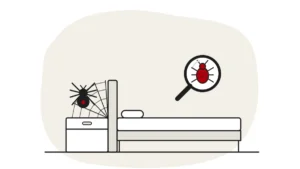
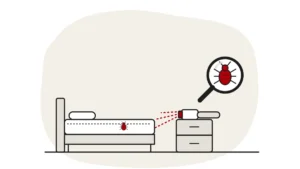
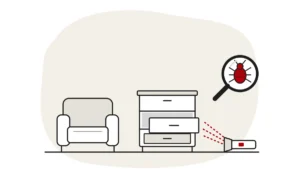
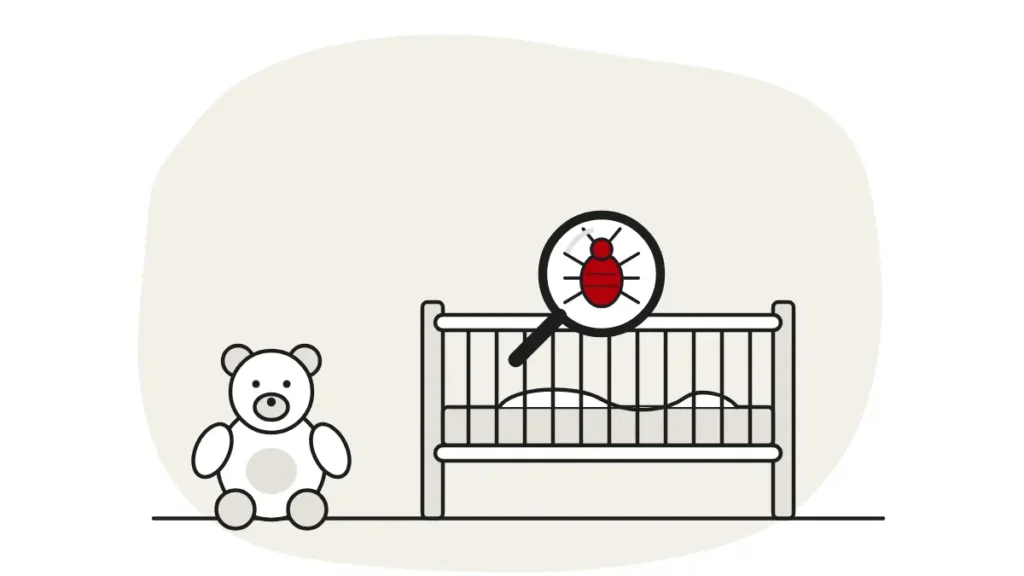
Use a torch to look along the cot mattress seams and piping, the joins of the cot frame and slats, and any nursing chair, sofa or bed nearby. Our room-by-room guide to checking for bed bugs shows where else to look. For more on bites in children and how to ease the itch, see how long bed bug bites last and how to stop the itch.
When to Get Medical Advice for Your Child
We’re pest specialists, not doctors, so follow the NHS guidance and speak to a pharmacist, GP or NHS 111 if you’re unsure. In summary:
| Situation | What the NHS advises |
|---|---|
| Itchy bites on a child aged 1 or older | A pharmacist can advise. The NHS says children under 10 should get advice from a doctor before using hydrocortisone cream. |
| A child under 1 has an insect bite | See a GP (non-urgent). |
| Bites still very painful, swollen or itchy after pharmacy treatments, or the swelling is spreading | See a GP. The bites may be infected. |
| Symptoms getting worse or not improving | Ask for an urgent GP appointment or call 111. Call 111 for advice about a child under 5. |
| Signs such as swollen lips, mouth, throat or tongue, trouble breathing or swallowing, or a child who is limp, floppy or not responding normally | Call 999. These may be signs of a serious allergic reaction. |
Sources: NHS pages on bedbugs and insect bites and stings.
What to Do Tonight: Keeping Your Child’s Sleep Space Safer
You can’t get rid of bed bugs tonight, and the NHS says it’s very difficult to do yourself. What you can do is stop making things worse and cut down bites while you arrange treatment.
Keep the Cot Simple
- Pull the cot or child’s bed a little away from the walls and other furniture, so it isn’t touching anything bed bugs can climb from.
- Keep bedding off the floor and clear clutter, toys and bags from under the cot.
- Don’t add anything to a baby’s cot to “block” bed bugs, such as plastic sheeting, tape, bumpers or extra layers. The Lullaby Trust’s safer sleep advice is a clear cot with a firm, flat, waterproof mattress, and no pillows, duvets, bumpers or soft toys. That doesn’t change because of bed bugs.
Wash and Bag Bedding, Clothes and Soft Toys
- The NHS advises washing affected bedding and clothing on a hot wash (60°C) and tumble drying on a hot setting for at least 30 minutes. That includes cot sheets, sleeping bags, blankets and sleepsuits. Check care labels, as some baby sleeping bags can’t take a 60°C wash or a hot tumble dry.
- For items that can’t be washed hot, the NHS suggests sealing them in a plastic bag in the freezer for 2 to 3 weeks. This also works for soft toys.
- Carry laundry to the machine in a sealed bag, and keep clean items bagged until the home has been treated. Our post on how long bed bugs live in a sealed plastic bag explains why bagging helps.
- Keep plastic bags tied and out of reach of babies and young children.
Think Before Moving Your Child
It’s natural to want to move your child into your bed or another room. For babies under 12 months, the safest place to sleep is their own clear cot, so read the Lullaby Trust’s advice before bringing a baby into your bed. Bed bugs also travel in bedding, clothes and bags, so moving things around can spread them to rooms that were clear. If your child does sleep elsewhere, use freshly washed and dried bedding and clothes, and check the new bed first. The same goes for staying with family: our guide on what to do if you’ve slept in a bed with bed bugs covers how to avoid taking them with you.
What Not to Use Around Babies and Young Children
The NHS says it’s very difficult to get rid of bed bugs yourself, because they’re hard to find and may be resistant to some insecticides, and recommends contacting your local council or a pest control service. Around young children, avoid these in particular:
- Foggers, bug bombs and smoke bombs. They tend to scatter bed bugs into new hiding places, including other rooms. See do smoke bombs and foggers kill bed bugs?
- Insect sprays on cots, bedding or toys. Many household insecticides aren’t made for use on bedding or where children sleep and play. If you’ve already used a product, check its label for advice about children.
- Powders and dusts. Fine powders such as diatomaceous earth create dust that young children can touch or breathe in. Our guide to diatomaceous earth and bed bugs explains why it isn’t a fix.
- DIY heat. Portable heaters, hair dryers and hot-car tricks don’t heat a room evenly enough to reach every hiding place, and they bring fire and burn risks.
- Essential oils and “repellents”. They won’t clear an infestation. See what smells bed bugs hate for what the research shows.
Is professional treatment safe when you have young children?
Yes, when it’s planned around your family. Everyone, including pets, is out of the home during the treatment, and you can usually go back in 2 hours after it finishes. Tell us when you book that you have a baby or young children, and your technician will explain what to prepare and when you can go back in.
ThermoPest’s bed bug heat treatment is heat-led, with targeted spray where it’s needed. Bed bugs and their eggs die when held above about 50°C for long enough. We heat rooms to 50–60°C and hold that heat until the hardest-to-reach spots stay above 50°C. Heat reaches bugs and eggs deep in furniture, seams and cracks, which is why cots, beds and sofas can usually stay in the room and be treated rather than thrown away.
What families usually need to know:
- Re-entry: after a residential heat treatment, you can usually go back in 2 hours after we finish, unless your technician advises otherwise. If spray has been used in places, follow the re-entry and cleaning instructions you’re given.
- Remove heat-sensitive items first: our preparation guide lists them, including medicines, and perishable food left out on the side, such as baby formula.
- Baby equipment: tell us about cots, highchairs, pushchairs and car seats, and your technician will say what stays in and what to bag. Our post on whether heat treatment damages furniture or electronics explains what usually stays.
- Flats: bed bugs can move between homes, so we also ask to inspect neighbouring flats.
Planning Treatment Day With a Baby or Toddler
- Pack a day bag the night before from freshly washed and dried clothes, kept sealed until you need them: nappies, changes of clothes, feeding things and a comforter that has been washed or frozen.
- Check the pushchair and changing bag with a torch before you leave, especially seams and folds, so you don’t take bed bugs with you.
- Plan where you’ll spend the day. Most treatments are completed within a day; our guide on how long bed bug treatment takes helps you plan.
- When you’re back, make up the cot with clean bedding from your sealed bags and follow your aftercare advice.
Over the following weeks, keep checking the cot and beds. Our guide on how to tell if bed bugs are gone explains what’s normal after treatment. Return visits may be needed, and our treatments come with a 12-week guarantee.
FAQs
Can bed bugs live in a cot?
Yes. Bed bugs hide close to where people sleep, so cot mattress seams, slats and frame joints are worth checking. Look for small dark spots, blood spots on sheets, shed skins and live bugs. A cot can usually stay in the room and be treated with heat rather than thrown away.
Can I use bed bug spray in my baby’s room?
It’s best not to use shop-bought sprays on cots, bedding or toys. Many aren’t made for use where children sleep, and sprays and foggers tend to spread bed bugs rather than clear them. The NHS recommends contacting your council or a pest control service.
Should my baby sleep in another room if we have bed bugs?
Moving rooms can spread bed bugs on bedding and clothes. For babies under 12 months, the safest place to sleep is their own clear cot. If you do move your baby, use freshly washed and dried bedding and clothes, check the new sleep space first, and keep the cot clear, following safer sleep advice. Getting the home treated is what solves the problem.
How soon can we go home after heat treatment with a baby?
For homes, re-entry is usually 2 hours after the treatment finishes, unless your technician advises otherwise. Tell us about your baby when you book so we can plan the day and talk you through aftercare.
Do bed bug bites hurt babies?
Bites are usually itchy, and the NHS says they usually clear up in a week or so. If your child is under 1, the NHS advises seeing a GP about insect bites. Call 999 for signs of a serious allergic reaction, such as swollen lips or tongue, or trouble breathing.
Bed bugs and a young family?
We’ll plan treatment around your children, explain what to prepare and tell you when it’s appropriate to go back in. ThermoPest is a member of the BPCA and NPTA, and our technicians arrive in unmarked vans.