Short answer: in most cases your landlord must deal with bed bugs, especially if they were there when you moved in or the property is furnished or shared. Put the problem in writing, give them a few days to act, and if they do not, contact your council’s private housing or environmental health team. Do not stop paying rent: that can put your tenancy at risk. This guide explains who is responsible, what to do step by step, and what landlords should do.
ThermoPest are bed bug specialists, not lawyers. This is general information for England; rules differ in Scotland, Wales and Northern Ireland. For advice on your situation, speak to Shelter, Citizens Advice or a housing solicitor.
Is a landlord responsible for bed bugs in the UK?
Usually, yes. Landlords in England must keep rented homes fit to live in (the Homes (Fitness for Human Habitation) Act 2018), and a significant pest infestation can make a home unfit. Councils can also take action under the Housing Health and Safety Rating System, which covers pests. Who pays in practice depends on three things:
- Timing: bed bugs found soon after you move in, or in a furnished let, point to the landlord.
- The building: in flats and HMOs bed bugs travel between rooms and units, so the landlord or managing agent usually needs to coordinate treatment.
- Cause and your tenancy agreement: if it is clear you brought them in (for example after travel or buying second-hand furniture), a landlord may ask you to pay. Check what your agreement says about pests.
What to do if your landlord won’t treat bed bugs
1. Collect evidence
Photograph live bugs, cast skins, blood spots and dark marks on the mattress seams and bed frame, plus any bites. Note the dates you found them. If a pest controller inspects, keep the report. Evidence of when and where bed bugs were found matters most if there is a dispute about who pays.
2. Tell your landlord in writing
Email or write, attach your photos, and ask them to arrange professional treatment by a specific date. Bed bugs multiply quickly, so a reasonable response is days, not weeks. Keep copies of everything you send and receive.
3. Contact the council if they don’t act
Contact your council’s private housing or environmental health team. They can inspect and, where conditions are hazardous, require the landlord to act. Council housing tenants should report it to their housing officer. You can also get free advice from Shelter or Citizens Advice.
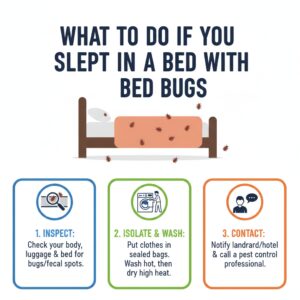
4. Stop it spreading while you wait
- Keep sleeping in your own bed: moving rooms or sofas spreads them.
- Wash bedding and clothes from the bedroom hot, then tumble dry for at least 30 minutes once hot (see how to kill bed bugs on clothes).
- Do not use shop-bought sprays or foggers: they rarely reach eggs and can push bugs into neighbouring rooms.
- Do not throw furniture out unless it is wrapped and marked, or you may spread bed bugs to the stairwell and neighbours.
Can I stop paying rent because of bed bugs?
Generally, no. Withholding rent can lead to arrears and possession proceedings, even if your complaint is valid. The safer routes are the written complaint, a council inspection and, if needed, advice about claiming compensation for the disruption or damaged belongings. Paying for treatment yourself and deducting it from rent is also risky without your landlord’s written agreement or legal advice.
Do bed bugs void a rental agreement?
No, not automatically. A tenancy carries on unless it is ended in the normal legal way. If a property is genuinely unfit to live in and the landlord will not fix it, get advice from Shelter or Citizens Advice before you move out or stop paying, so you do not end up liable for rent on two homes.
For landlords: what to do when a tenant reports bed bugs
- Act quickly. Arrange a professional inspection within days. Delay makes treatment bigger and more expensive.
- Treat the affected property and check next door. In flats and HMOs, inspect neighbouring rooms or units; treating one alone often leads to re-infestation.
- Keep records of the report, inspection and treatment. They protect you if responsibility is disputed.
- Give tenants clear preparation and aftercare instructions, so the treatment is not undermined.
For the latest changes to tenants’ and landlords’ rights, see our guide to bed bugs and the Renters’ Rights Act.
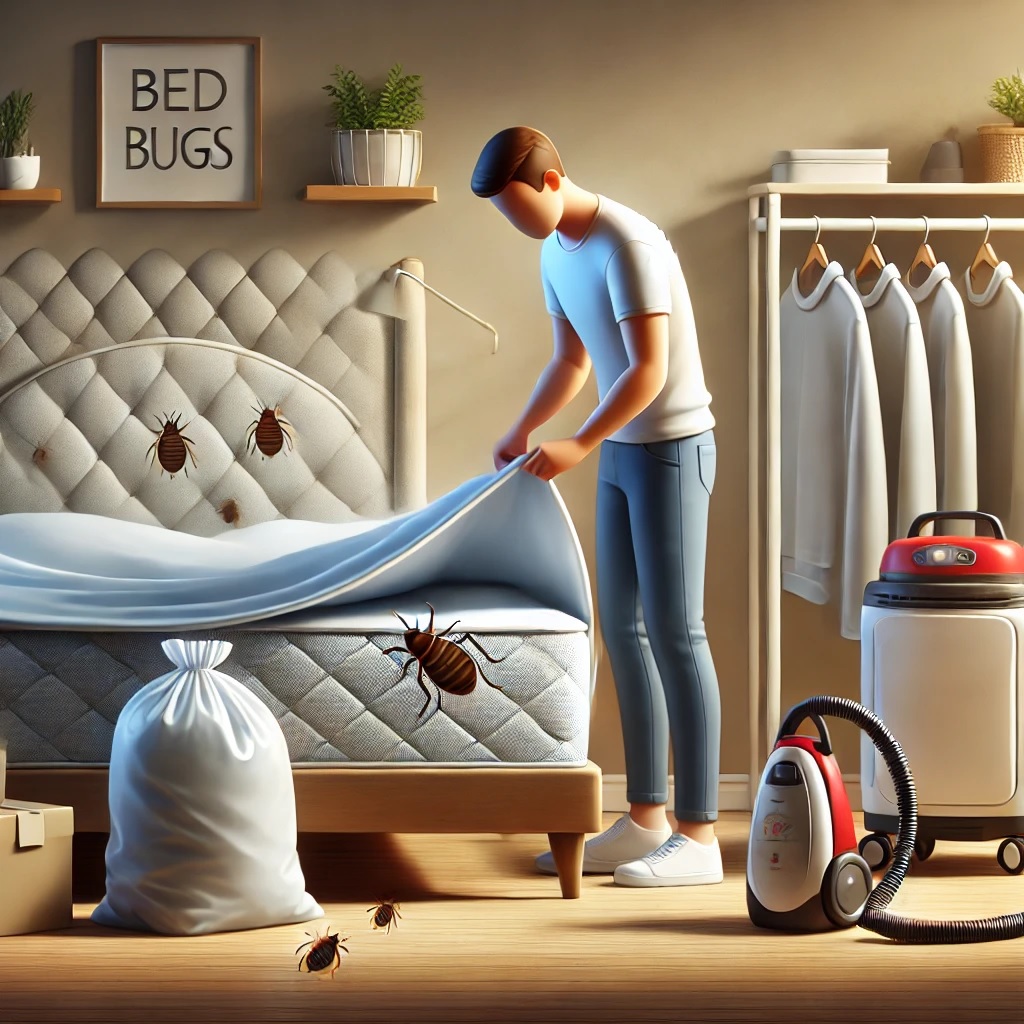
Getting bed bugs treated properly
ThermoPest works with tenants, private landlords, letting agents and HMO managers across London and the UK. Our bed bug heat treatment kills bed bugs and eggs in the treated rooms, most homes are done in a day, and tenants can move back in 2 hours after we finish. Whole-property treatments come with a 12-week guarantee. See bed bug treatment in London or our prices.